
People

Antonio Currais, Ph.D
Staff Scientist, Salk Institute for Biological Studies
Junior Faculty Trainee, Shiley-Marcos Alzheimer’s Disease Research Center
Antonio Currais obtained his BSc degree in Microbiology and Genetics from the University of Lisbon and completed his PhD in Neuroscience at King's College London. He is currently a Staff Scientist at the Salk Institute for Biological Studies.
His lab is focused on identifying the pathological contributions of aging to human diseases and, based on this knowledge, developing novel therapeutics derived from plants. Integrative omic technologies are combined with cell culture and animal models to understand disease processes and mechanisms of drug action. His efforts contributed to the pre-clinical studies that led to the identification of the molecular target and anti-aging effects of the drug candidates J147 and CMS121. Both compounds are in phase I clinical trials for Alzheimer’s disease and are some of the first drug candidates for the disease that were developed to target the aging process in the brain.
The discovery of therapeutics from plants is carried out through international collaborations that are established within the scope of the United Nations’ Sustainable Development Goals. The goal is to accelerate new treatments for human diseases through global partnerships.

Alejandro Lago, Ph.D
Former Manager
United Nations Development Programme-Global Environment Fund- Global ABS Project
Dr. Alejandro Lago is the Manager of the UNDP-GEF Global ABS Project that promotes the implementation of the Nagoya Protocol in 24 countries. Alejandro was directly involved in the negotiation of the Nagoya Protocol and since its adoption has been actively supporting its implementation at the national, regional and international levels, supporting different projects in several countries around the world.
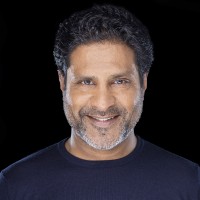
Ashwin Budden, Ph.D
Research Fellow at Harvard Medical School's Center for Bioethics
Trained in medical anthropology and public health, he is an independent global health advisor to donors, governments, and NGOs. Dr. Budden has 20 years of combined experience applying health systems and community-based research and evaluation to global health and development policy and program improvement in LMICs. He has worked on vaccine and pharmaceutical delivery, reproductive and maternal and child health, HIV/AIDS, mental health, and integrated primary health care.
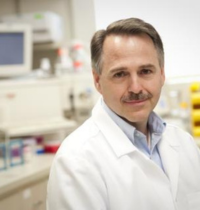
Dr Barry O'Keefe, Senior Scientist, Center for Cancer Research, National Cancer Institute (NCI). Head, Protein Chemistry and Molecular Biology Section. Chief, Natural Products Branch, Division of Cancer Treatment and Diagnosis, NCI
Dr. Barry O'Keefe is an expert in the screening of natural product extracts and the discovery of novel bioactive compounds. He has pioneered the discovery of biotherapeutics from natural products, especially in the area of antiviral proteins. He also specializes in the analysis and exploitation of protein-ligand interactions for both high-throughput screening and compound characterization. As Director of the Molecular Targets Program and Chief of the Natural Products Branch, Dr. O’Keefe is integral in the NCI’s drug discovery efforts from natural product extracts.

Carmenza Spadafora, PhD
Coordinator. Center for Cellular and Molecular Biology of Diseases (CBCMe)
Carmenza Spadafora is the current Coordinator of the Center for Cellular and Molecular Biology of Diseases (CBCMe) and a Senior Researcher at INDICASAT-AIP. Her research focuses on topical parasites, drug discovery, communication signals, and biophysics of pathogens.

Cristian Desmarchelier, PharmD
Biologist, La Universidad Nacional Agraria La Molina, Perú
Doctorate, School of Pharmacy and Biochemistry, University of Buenos Aires
Cristian Desmarchelier is a biologist and also holds a Doctorate from the School of Pharmacy and Biochemistry, University of Buenos Aires (Argentina). He has held different positions in the private and public sectors working in research, development, marketing and investment strategies for biodiversity-derived products and other related topics in the field of bioeconomy, including Programme Coordinator at the Ministry of Science and Technology of Argentina (MINCYT), Project Manager at Fundación Mundo Sano (Grupo INSUD), Technical Assistant at the Argentine Association of Phytomedicine. Cristian also performed several short-term consultancies for pharmaceutical companies from Argentina, Brazil, Japan, Canada, the UK, Switzerland, Peru, and for PAHO (Pan-American Health Organisation). Also consulted for PRODAPP-EU (Peru), mostly involved in the management of R&D activities in collaboration with Yanesha native communities in the Central Peruvian Amazon.
In addition, he has co-authored over 30 research papers and/or book chapters on pharmacology of natural products and medicinal plants in international journals, published the book "Plantas Medicinales Autóctonas de la Argentina", and during 2015-16 also hosted the TV documentary series "Paradigma Tres - Los Caminos de la Bioeconomía".
Dirk Jochmans
Research Manager
U Leuven – Rega Institute (University of Leuven, Belgium)
Dirk Jochmans has been a research manager at the KU Leuven – Rega Institute (University of Leuven, Belgium) since 2010. He is currently involved in different European programs focusing on novel antiviral therapies for neglected and emerging viral infections, including SARS-CoV-2 and Rabies. He has a major interest in antiviral drug resistance and the use of organoids in antiviral research. Before 2010, he worked for more than 10 years in the pharmaceutical industry, where he coordinated early discovery programs for novel HIV antivirals.

Prof. Donald Pfister
Asa Gray Research Professor of Systematic Botany. Curator Emeritus of the Farlow Library and Herbarium of Cryptogamic Botany.
Board Member, Global Health, Biodiversity & Therapeutics Innovation Consortium
Donald Pfister is a Co-Founder and Board Member of the consortium, which he helped establish following the 2021 Radcliffe-sponsored seminar on South-to-South collaboration in therapeutics. A Research Professor of Botany and Emeritus Curator of the Farlow Herbarium at Harvard, his main study focus is fungi and their role in understanding life diversity. As a founding member, he has underscored the lasting significance of the Harvard University Herbaria — home to approximately six million plant and fungal specimens, including Latin American and Caribbean collections — and the untapped therapeutic potential of thousands of indigenous plant uses documented in Harvard's herbarium records.

Dr. Esteban Ortiz-Prado
Senior Investigator and Research Professor
University of Las Americas, Ecuador
Dr. Esteban Ortiz-Prado obtained his PhD in High Altitude Physiology at the Universitat de Barcelona (Spain) and his Master's in Public Health from the University of Southampton (England). He is a physician-scientist and public health researcher with expertise in epidemiology, global health, infectious diseases, health systems research, pharmaceutical market analysis, and bioprospecting. He has led multidisciplinary studies across Latin America and contributed to research on COVID-19, tuberculosis, dengue, chronic kidney disease, health disparities, altitude medicine, and One Health. He also served as Research Manager of Ecuador's only public pharmaceutical company, supporting clinical analyses and translational research on bioactive compounds.

Francisco Kuhar
Associate Researcher, CONICET (National Scientific and Technical Research Council)
Chief Science Officer, Innomy Biotech
Curator of Fungi, CORD Herbarium
Francisco Kuhar is a mycologist specialized in fungal diversity (gasteroid and ectomycorrhizal fungi) and biotechnological applications of fungal enzymes. He is currently working as Chief Science Officer in Innomy Biotech. He is also associate researcher at CONICET and the Curator of Fungi at the CORD Herbarium and Co-curator of the fungarium of the Fungi Foundation, and leads the Foundation Hongos de Argentina, devoted to the diffussion of mycology in this country.

Ingrid Katz, MD, MHS
Director, Yale Institute for Global Health
Former Associate Faculty Director, Harvard Global Health Institute
Ingrid Katz was a key supporter of the consortium's founding Radcliffe grant. She is currently the Director of the Yale Institute for Global Health, where she leads efforts to expand interdisciplinary collaboration in global health research, clinical care, and educational initiatives across Yale, and holds joint appointments at the Yale School of Medicine and the Yale School of Public Health. She also serves as Chief of Evidence and Program Innovation in the Bureau of Global Health Security and Diplomacy at the U.S. Department of State. Prior to Yale, she spent 16 years on the faculty of Harvard Medical School and served as Associate Faculty Director at the Harvard Global Health Institute.
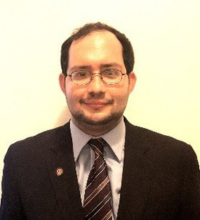
German Madrigal Ph.D
Director, Pharmaceutical Research Institute (UNIFAR, University of Costa Rica
Dr. Germán Madrigal earned his PharmD in Pharmacy from the University of Costa Rica and holds a master’s degree in intellectual property, specializing in industrial and medical intellectual property. As a researcher, he focuses on phytochemical and physicochemical studies of understudied native plants to develop value-added products.
Currently, Dr. Madrigal serves as the Director of the Pharmaceutical Research Institute (INIFAR) at the University of Costa Rica, overseeing its five specialized units. Among these, LAPONAB focuses on research in polymers, nanotechnology, and biotechnology. Additionally, LAPONAB is working on alternative molecular tests for pathogen detection and analyzing gene expression in response to pharmacological treatments. Another key unit, LAFITEC, specializes in phytochemistry and quality control, investigating the chemical composition of natural extracts. LAFITEC explores the pharmacological potential of native plants, fungi, and algae while promoting the sustainable use and preservation of Costa Rican flora and unlocking valuable knowledge about these native species.

Marcelino Gutiérrez, Ph.D
Staff Scientist
Coordinator, INDICASAT Center for Biodiversity and Drug Discovery
Dr. Gutiérrez is a staff scientist and coordinator of the INDICASAT Center for Biodiversity and Drug Discovery. He obtained his Bachelor's Degree in Chemistry at the University of Panama in 2000, working on bioactive natural products from plants. In 2001, he started his doctoral studies at the University of Santiago de Compostela, Spain, in the laboratory of Dr. Ricardo Riguera, working on the isolation and structural determination of bioactive metabolites from octocorals. After doctoral studies, Dr. Gutiérrez carried out a postdoctoral stay at the Scripps Institution of Oceanography at the University of California San Diego, in the laboratory of Dr. William H. Gerwick, working on the isolation and structural determination of anti-cancer natural products from marine cyanobacteria.
In 2008, Dr. Gutiérrez returned to Panama, and for the last thirteen years, he has led his research group at INDICASAT, establishing a new line of research in natural products of microbial origin. Dr. Gutiérrez's laboratory has started and maintains a bacterial collection with more than 5,000 strains collected in marine and terrestrial ecosystems from Panama. As a result of his research, Dr. Gutiérrez has more than 30 publications, which include the first chemistry studies on natural products of marine invertebrates from Panama and their associated bacteria.

Miguel A. Chavez Fumagalli
Researcher, Universidad Católica de Santa María, Perú
Miguel A. Chavez Fumagalli obtained his Ph. D in Molecular and Biochemical Pharmacology at the Federal University of Minas Gerais (Brazil) and holds a full-time researcher position at the Catholic University of Santa Maria (Peru), where he is the Head of the Computational Biology and Chemistry Research Group. Dr. Chávez’s main research interests are in applying bioinformatics to the discovery and development of drugs, diagnostics, and vaccines against Neglected Tropical Diseases. He is the principal scientist of the Peruvian Natural Products Database initiative, which was envisioned as a tool for virtual screening and identifying promising compounds, while serving as a springboard for further biotechnological products

Pamela Maher, Ph.D
Research Professor, Salk Institute for Biological Studies
Pamela Maher received her BSc from McGill University in Montreal, Quebec and her PhD from the University of British Columbia in Vancouver, British Columbia. She is currently a Research Professor and head of the Cellular Neurobiology Laboratory at The Salk Institute in La Jolla, CA. Her research interests include the characterization and development of natural products for the treatment of acute and chronic neurological disorders such as Alzheimer's disease. In addition, she studies models and mechanisms of cell death in neurodegenerative diseases.
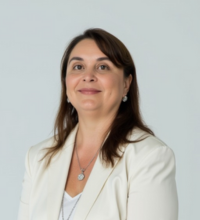
Tamara Rubilar
Researcher
National Research Council in Argentina (CONICET)
tamararubilar@gmail.com
Dr. Tamara Rubilar is a researcher at the National Research Council in Argentina (CONICET) and the National Patagonian University San Juan Bosco (UNPSJB). She is the Director of the Laboratory of Organic Chemistry of Marine Organisms and a co-founder of Promarine Antioxidants (www.promarineantioxidants.com), a start-up specializing in technology transfer. Her primary research focus is on developing innovative health products from natural sources. Her Laboratory is the main node for the National Program of Biosprospection and adds value to Argentinean Biodiversity, producing extracts from Argentina's Biodiversity for use in High Throughput Screening Platforms (HTSP). One of the Natural Products from sea urchin is being tested in a clinical trial for long COVID.
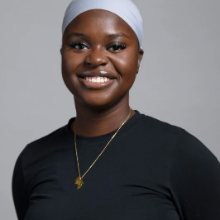
Tijesunimi Borode, Harvard University '24
Research Assistant
Global Health, Biodiversity & Therapeutics Innovation Consortium
Tijesunimi Borode is a health policy and strategy professional at the intersection of health economics and public policy. She has experience in supply chain strategy at EY-Parthenon and a particular interest in improving healthcare access and outcomes in West Africa.
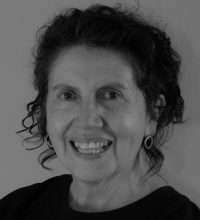
Verónica Vargas, Ph.D.
Co-founder, Global Health, Biodiversity & Therapeutic Innovation Consortium Fellow, Harvard Chan School Of Public Health
Research Associate, Alberto Hurtado University, Chile
vvargas@uahurtado.cl
Verónica Vargas is a senior health economist with more than 30 years of experience in health financing, global health, pharmaceutical policy, and oncology therapeutics. She has worked with the World Bank, PAHO, the Inter-American Development Bank, and the UK Department for International Development across Latin America and the Caribbean, South Asia, Eastern Europe, and Africa.
Her publications include more than 40 articles, policy notes, and book chapters, including a chapter in the Handbook of Global Health Economics and Public Policy. She serves on the Scientific Committee of the International Health Economics Association (IHEA).
During her eight years at Harvard, she co-founded — with support from the Radcliffe Institute and Harvard Herbaria — the Consortium on Global Health, Biodiversity, and Therapeutics Innovation, a seven-country network advancing novel therapeutics from native plant biodiversity of the Americas.